
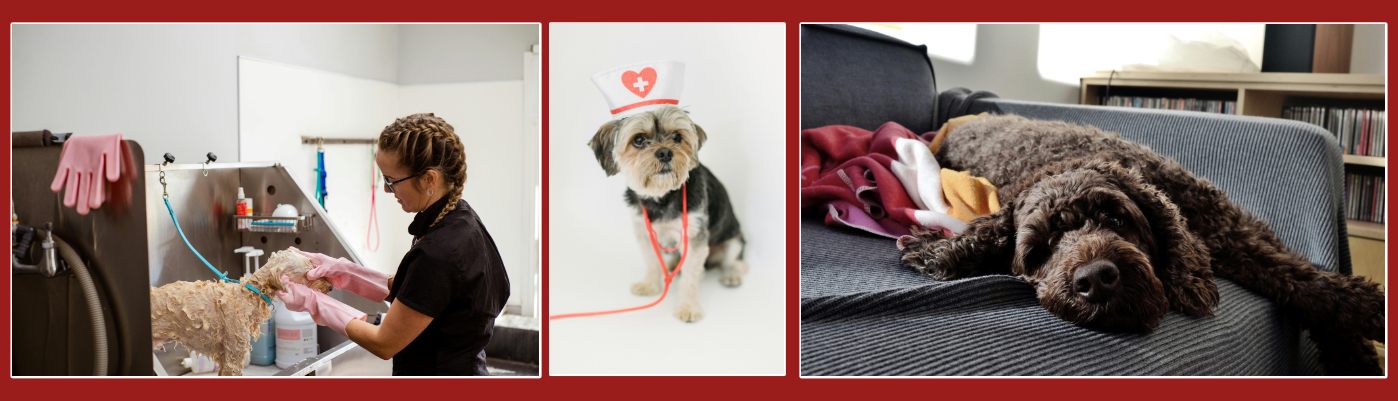
Doodle Health Issues: Sensitive Stomachs | Allergies | Ear Infections | Joint Problems | Epilepsy | Addison’s Disease |

At the top of any breed’s ‘cons’ list are potential health issues. Let’s address the ‘elephant-doodle’ in the room and why the creator of the Labradoodle may feel he ‘opened Pandora’s box and released a Frankenstein monster.’ Breed popularity often leads to irresponsible breeding for profit. Sadly, overbreeding and in-breeding are more likely to take place in response to profitable pet trends. This can and will lead to health defects and the pandora’s box that Mr. Conron is referring to are the breeding practices. These breeding practices have led to many variations and both pleasant and unpleasant surprises.
The Standard Poodle and the Labrador Retriever are both exceptional dog breeds known for their intelligence, loyalty, and versatility. Their offspring, the Labradoodle, naturally inherits these characteristics, but the resulting breed can sometimes also inherit the health issues common to both parent breeds.
Health Concerns for Labradoodles
Here are some typical health issues that Labradoodles are more prone to:
1. Sensitive Stomachs

Labradoodles are known for having sensitive stomachs, which can lead to symptoms like vomiting or diarrhea. Managing this issue involves paying attention to the dog’s diet and sticking to foods that don’t upset its digestive system. It’s good practice to establish a feeding routine, as Labradoodles can also experience stomach issues from an empty stomach. Avoid feeding your dog from the table unless it’s with food that is known to be gentle on their stomach.
Some foods can be harmful to dogs. A refrigerator magnet that reminds family members of dangerous foods to feed dogs and contains pet poison control phone numbers can be very helpful. Below is our refrigerator magnet reminder of harmful foods to dogs with pet poison control phone numbers.

Tip: Our dog, like many others, tends to eat quickly—likely because he shares the house with a curious cat who is eager to sample his food. We’ve tried separating them during mealtimes to prevent competition, which has helped. However, he still eats fast. A dog bowl designed to slow down their eating has made a noticeable difference, and we’ve found the Feedoo Slow Feeder Dog Bowl works well for our situation.
Also, feeding high-quality dog food plays a vital role in digestion. We’ve had great success with ‘Hills Science Diet’.
Labradoodles may be prone to gastrointestinal issues like gastritis (inflammation of the stomach lining) due to their sensitive digestive system. This can also be aggravated by sudden changes in diet or eating habits. It’s always recommended to transition to new foods gradually over 7-10 days to avoid triggering digestive upset.

Hill’s Science Diet Large Breed, Adult


Hill’s Science Diet Sensitive Stomach & Skin
2. Allergies
Labradoodles tend to be more prone to allergies than other breeds. These allergies typically fall into three categories: food allergies, skin allergies, and seasonal allergies. Identifying and managing allergies involves closely monitoring your dog’s habits and surroundings.

Zesty Paws Dog Allergy Relief
Consulting with a veterinarian and connecting with other Doodle owners can provide valuable insights into managing allergies. Once the allergens are identified, most allergies can be successfully managed with proper care.
Seasonal allergies, like humans, may cause sneezing, watery eyes, and itchy skin. These symptoms often worsen during peak pollen seasons (spring and fall). In cases of seasonal allergies, antihistamines may help. Always consult with your vet before administering any medication to ensure it’s safe for your dog.
3. Ear Infections

HICC PET Ear Cleaner
Both Labrador Retrievers and Poodles are prone to ear infections, and Labradoodles inherit this susceptibility. Their floppy ears can trap dirt and moisture, creating an ideal environment for infections to develop. Moisture in the ears can promote the growth of bacteria or yeast, leading to chronic ear infections. This problem is particularly pronounced in Labradoodle variations like the Australian Labradoodle, whose longer ears can drag on the ground as they sniff.
Regular ear cleaning and checking for waxy buildup or unpleasant odors are essential to maintaining ear health. If you suspect an infection, consult with your veterinarian promptly.
Regular ear cleaning with a veterinarian-recommended ear cleaner can help reduce the likelihood of these infections.
4. Joint Problems
Joint issues, especially Hip Dysplasia and Elbow Dysplasia, are common among Labradoodles, particularly in larger dogs. Both of these are degenerative disorders caused by abnormal joint development, which affects the smooth functioning of the joints.
In Hip Dysplasia, the ball and socket of the hip joint do not fit properly, causing rubbing instead of smooth movement. Elbow Dysplasia occurs when the bones that make up the elbow joint don’t align correctly. Over time, these conditions lead to pain, difficulty moving, arthritis, and limping.

Joint Health Supplement for Dogs – With Glucosamine

Zesty Paws Hip and Joint for Dogs, Glucosamine for Dogs Hip and Joint Supplement

Glucosamine for Dogs Hip and Joint Supplement
Factors like rapid growth, improper exercise, unbalanced nutrition, and weight problems can worsen the condition. Early diagnosis is key, so make sure to discuss joint health with your veterinarian. Additionally, responsible breeders often screen for these conditions and certify that their puppies’ parents are free from Hip Dysplasia. This is typically done by X-raying the dog at the age of two.
If you’re looking to adopt, it’s important to do your due diligence. Ask breeders about their screening practices and ensure they’re committed to healthy breeding practices.
Like humans, joint issues can also be aggravated by obesity, which adds unnecessary strain to already vulnerable joints. Regular exercise, maintaining a healthy weight, and joint supplements like glucosamine can help manage these conditions and reduce symptoms.
5. Epilepsy
Labradoodles have a higher predisposition to epilepsy than many other breeds. Epilepsy is a neurological disorder that often results in seizures. Symptoms of seizures in Labradoodles may include loss of consciousness, shaking, falling, or rigidity in the limbs.
If you notice signs of seizures or other unusual behavior in your doodle, consult with your veterinarian immediately to receive a proper diagnosis and care plan.
In some cases, epilepsy in Labradoodles can be triggered by environmental factors such as stress, lack of sleep, or certain types of food. Keeping a calm, consistent environment and monitoring food ingredients may help reduce triggers.
6. Addison’s Disease
Labradoodles are more susceptible to Addison’s Disease, a condition that affects the adrenal glands and their ability to regulate cortisol production. The condition leads to a variety of symptoms, including weakness, irregular heart rate, excessive thirst, excessive urination, and gastrointestinal issues such as diarrhea.

If you notice any of these symptoms, seek veterinary attention right away. Early intervention can help manage the disease effectively.
Addison’s disease can be diagnosed with a blood test measuring Adrenocorticotropic Hormone (ACTH) stimulation. This is a diagnostic test used to assess the function of the adrenal glands, particularly in diagnosing Addison’s disease (hypoadrenocorticism). The test measures how well the adrenal glands respond to ACTH, a hormone that stimulates the adrenal glands to produce cortisol. This test is typically done when Addison’s symptoms are suspected, and early treatment with corticosteroids can significantly improve your dog’s quality of life.
Conclusion
In conclusion, Labradoodles are generally a healthy and resilient breed, known for their intelligence and friendly nature. Like any breed (and humans), they can be genetically predisposed to certain health concerns. By staying informed, asking the right questions, and partnering with reputable breeders who prioritize health screening and ethical breeding practices, you can help ensure that your Labradoodle enjoys a long, happy, and healthy life. Proper care, attention to potential health issues, and regular veterinary visits will go a long way in keeping your companion in top condition for many years to come.

If you’re living that doodle life, why not make your space as fun and functional as your furry friend?
- For Doodle People – Find colorful, joyful products made just for doodle lovers like you.
- For Doodles – Shop beds, bowls, and more designed to keep your pup comfy and your home clean.
Take a peek—you and your Doodle deserve it.